

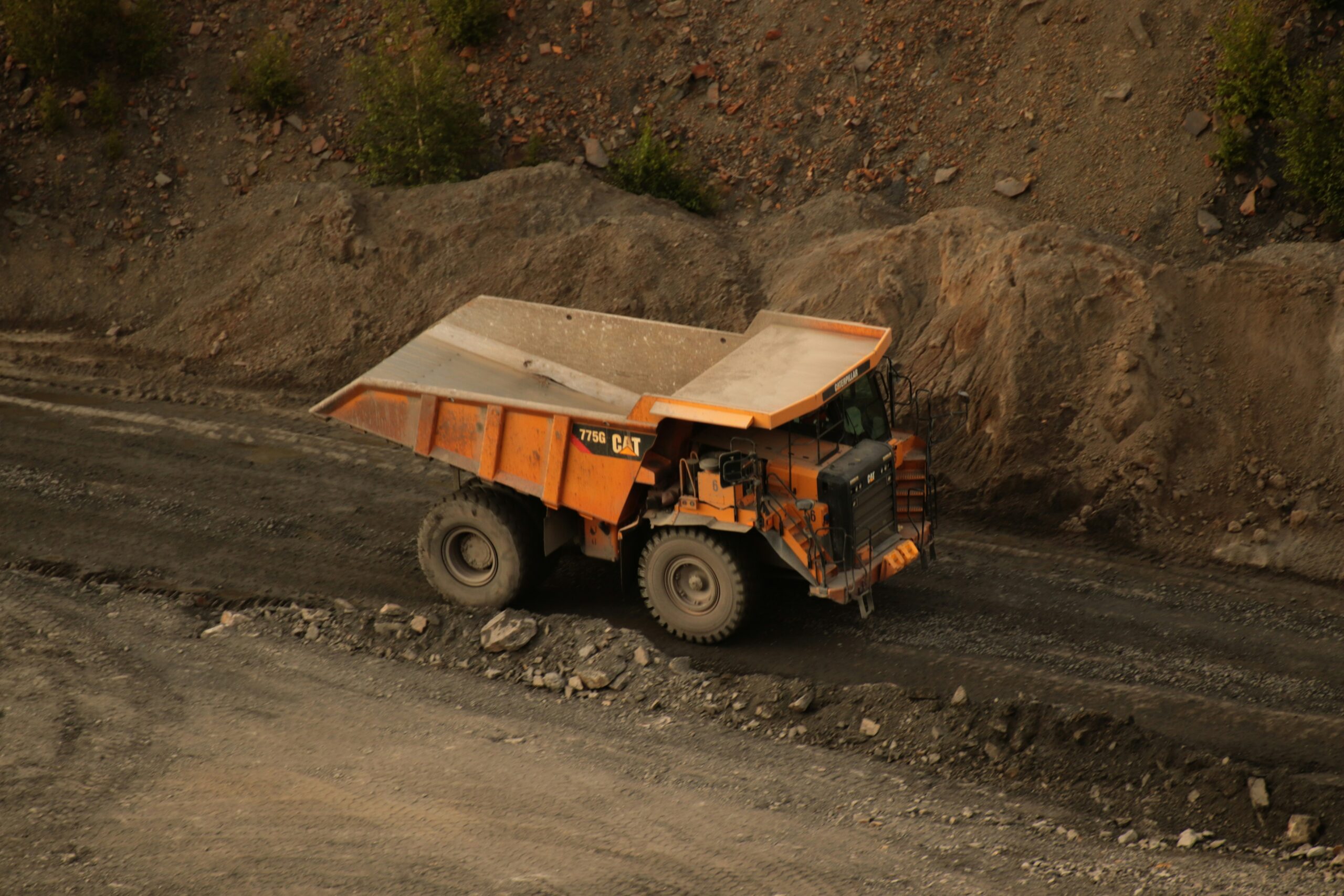
We assessed the economics of large haul truck technologies for Pilbara iron ore operations
The economics of diesel in the Pilbara have changed. At today’s diesel prices, battery-electric haul trucks can already be cheaper to run than their diesel equivalents.
Cyan Ventures examined the impacts of higher diesel prices, induced by conflict in the Middle East, on the fleet economics of Pilbara iron ore producers.
Our key findings:
- In September 2025, with effective diesel prices at approximately $1.14/L (incl. FTC), diesel haul trucks were 13 percent cheaper to run than emerging battery electric equivalents.
- In late-September 2026, effective diesel prices rose to approximately $1.91/L, resulting in battery electric trucks being 5 percent cheaper on our modelling. Firms are paying $0.5-0.8 million more per truck (annualised) than they were a year ago due to these diesel prices
- Even if we adopt other reasonable industry assumptions, the technologies are within reach of cost parity.
- Diesel price expectations may explain uneven uptake amongst firms. Expectations of elevated diesel prices over the medium-term favour switching; firms that expect a return to subdued diesel prices until 2035/40 will delay switching.
- Deployment will lag economics. Upfront capital, procurement lead times, operational restructuring and need for preparatory infrastructure to be built push scaled uptake to 2029 at the earliest
Switching from diesel haul trucks to BEV fleets will not be a straightforward change for the industry, requiring changes to fleet optimisation, charging/swapping decisions, grid preparation and financial shifts. But Australia has some of the best miners in the world, and we should be the best in the world at the emerging frontier: electric mining.