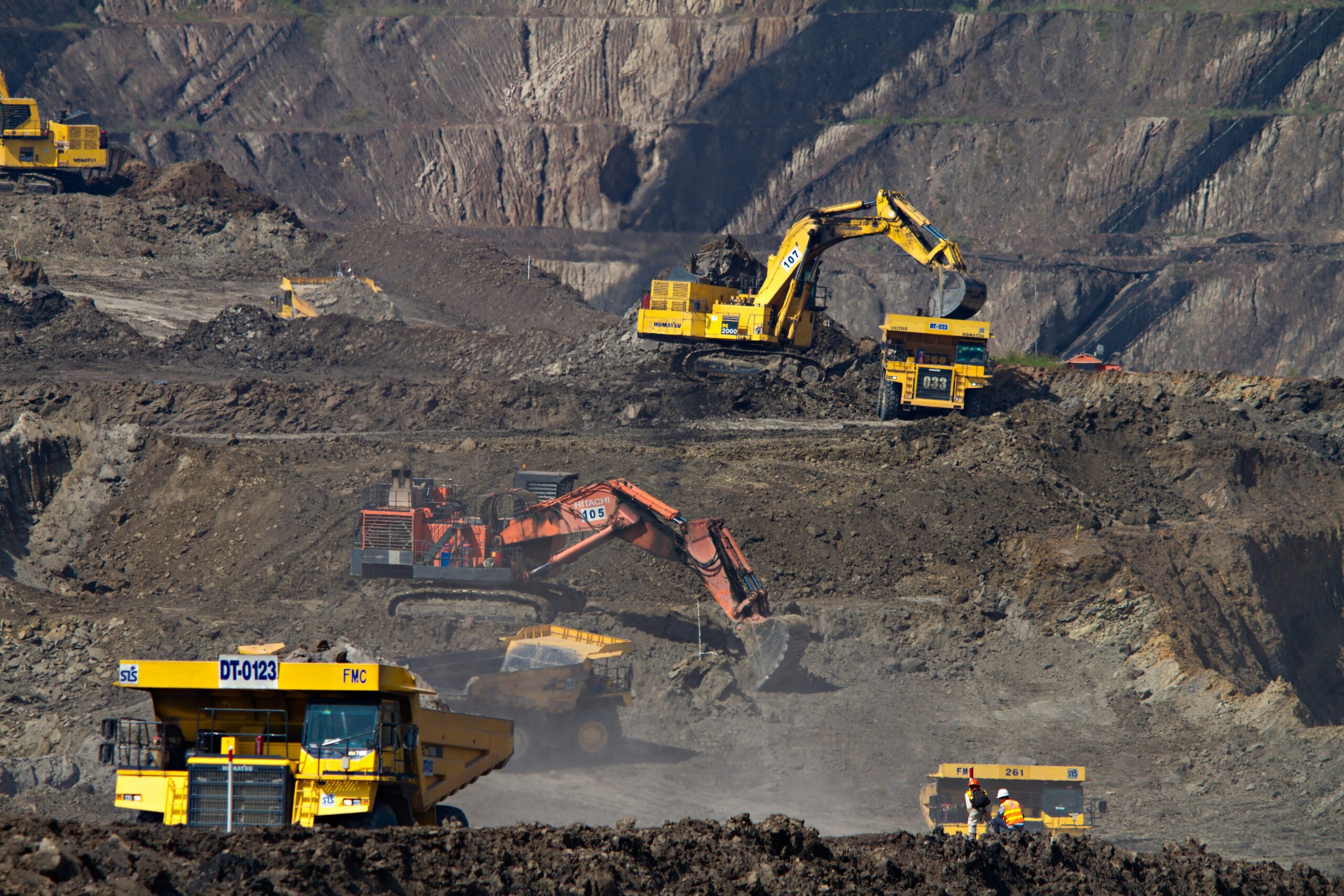
We developed the first-ever evidence base on the consequences of proposed reform options to the diesel fuel tax credit (FTC), measuring impacts on industry competitiveness, fuel security, emissions and budget
Mining is a key Australian industry, contributing around 10% of GDP and supporting 1.2 million jobs. The industry uses about 35% of diesel consumed in Australia, about 32 million litres per day – meaning that industry choices and the policy settings that shape them can significantly impact national fuel security, the sustainability of industry and emissions.
The diesel fuel tax credit (FTC) is a key policy, which is under pressure for 3 key reasons:
- The FTC entrenches reliance on imported diesel, at a time of energy insecurity for Australia. If current diesel prices persist (~$1.90/L, Sep 2026), BEV haul trucks will already be net economic over their lifetime.
- It is the 16th largest budget expense, with ~47% going to the resources industry, and is growing faster than the overall budget.
- Pulls in the opposite direction to decarbonisation policies like the Safeguard Mechanism by lowering the effective cost of diesel.
-
Consequently, many reform options have been proposed; however, the evidence base for reform is not well documented.
Cyan Ventures mapped the impact of key reform options on four factors: (i) international competitiveness (costs to miners); (ii) fuel security (reduced used of diesel); (iii) decarbonisation and; (iv) government budget (net Federal budget position).
Key findings from our work
Overall, we find that none of the existing option delivers on all key considerations although Transition Tax Incentive (TTI) is probably the best:
- Rebate removal is the fiscal winner at $38B, but all-in costs rise 3.5% for iron ore and 5.6% for met coal which may be costly to absorb.
- A strengthened Safeguard barely touches costs, but 83% of its abatement is bought ACCUs, it displaces only 421ML of diesel, and the budget goes backwards by $2.9B.
- The TTI abates the most at 22.4Mt and displaces 3,817ML, but returns only $5.3B. It is currently the best reform option.
Developing a new reform option: the Fuel Security Reinvestment Mechanism
As such, we have developed a new reform option, the Fuel Security Reinvestment Mechanism (FSRM), to better balance different metrics and plug the gaps in other reform options. The FSRM balances the four metrics and improves fuel security:
- Large miners keep 65% of fuel tax credits above $50M, contingent on reinvestment in energy security. 10% funds a guaranteed package for juniors and mid-tiers ($1.9B), 25% goes to the budget ($10B) which can support whole-of-economy fuel security support, particularly for the agriculture and trucking industries.
- It abates 18.6Mt against the TTI’s 22.4Mt, and returns roughly twice the budget benefit.
- A four-year phase-in with rollover of capex obligations, and exclusions for farming, fishing, trucking and mines with under ten years of life.
- Importantly it would have much greater flexibility for fuel security measures compared against the current options which would provide short term and long-term relief for these sectors