

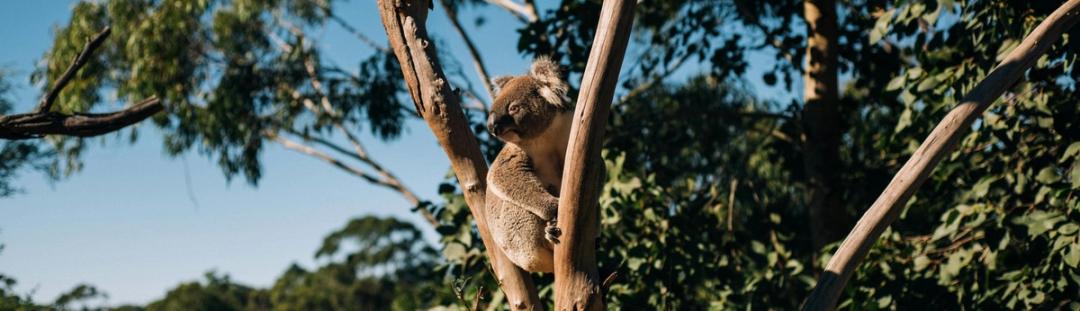
Australia is a continent of natural wonders, from the world-famous Great Barrier Reef, teeming with marine life, to lush forests that shelter unique species found nowhere else on Earth.
Today, these wonders are under unprecedented threats. The State of the Environment 2021 report makes clear that our country has lost more mammal species than any other continent and continues to record one of the highest rates of species decline among OECD nations. Alarmingly, at least 19 ecosystems across land, freshwater and marine environments are already showing signs of collapse or near collapse.
This decline in the health of nature is not only an environmental tragedy – it poses a direct and growing economic risk.
In our latest work commissioned by the 30 by 30 alliance, Cyan Ventures estimates that nature contributes at least A$138 billion per year in direct economic benefits to Australia through agriculture and tourism. When indirect benefits such as the value of carbon sequestration and flood prevention are included, nature’s role in underpinning our economy is even greater.
Yet, despite this, government investment remains far below what is needed. Analysis by the 30 by 30 alliance shows that while Federal spending on nature has risen in the past decade, it remains only around 30% of OECD levels, covers less than 8% of the estimated annual need, and addresses under 3% of the economic risks. This is not a choice between nature and the economy. The two are deeply connected, and Australia is already home to models that prove it.
“This report puts to bed the idea that we have to choose between the economy and nature. It shows that nature is an essential infrastructure for our economy.” – Pew Charitable Trusts director Tim Nicol
Read more about our report here.